School check, but no camera: Rajasthan tightens access amid CJP campaign
Jaipur: A campaign asking citizens to walk into government schools, check their classrooms and basic facilities and put what they find on social media has acquired an unexpected backdrop in Rajasthan, where the education department has now told schools to regulate such visits and restrict photography and videography.
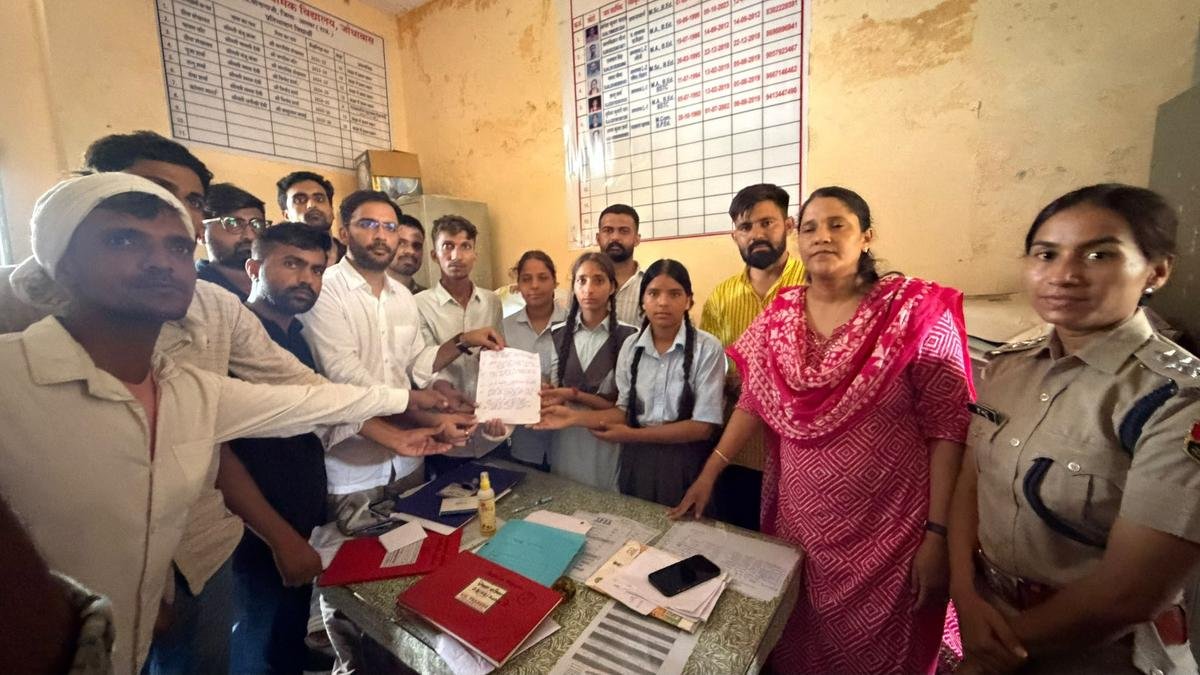
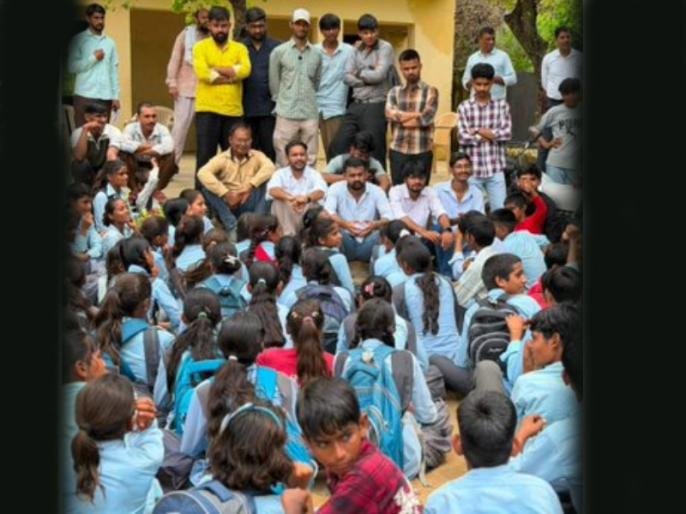
The timing is significant. Cockroach Janta Party (CJP) founder Abhijeet Dipke announced the “School Thik Karo” campaign from August 15, urging citizens to visit nearby government schools, conduct a reality check of their infrastructure and document shortcomings.
A day later, on August 16, the Directorate of Secondary Education, Bikaner, issued directions asking schools to strictly regulate the entry of outsiders and requiring prior written permission for photography, videography, interviews, audio recording and live streaming on school premises.
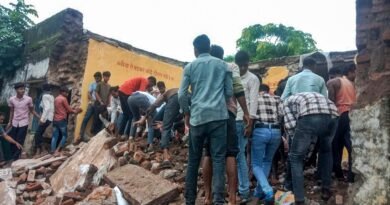
The issue has added resonance in Rajasthan after the roof of a government school in the Thanagazi area recently drew widespread criticism over the condition of school infrastructure. The incident has become part of a larger debate over how citizens can flag unsafe or poorly maintained government-school buildings before they turn into tragedies.
The state has already seen a much more serious reminder of the risks. In July 2025, a government school roof collapsed at Piplodi in Jhalawar district, killing seven children and injuring several others. The incident triggered protests and a suo motu intervention by the National Human Rights Commission. (NHRC)
Against this backdrop, the latest circular puts the focus squarely on who gets to enter a government school and what they can record once inside.
The education department says the restrictions are about children, not criticism of schools. It has directed principals to protect the safety, dignity and privacy of students, citing the Supreme Court’s recognition of privacy as a fundamental right under Article 21 and NCPCR guidelines for a safe, child-friendly school environment.
Under the new directions, no outsider can enter a government school without the principal’s permission, except authorised government officials on official duty. Visitors will have to record their details in the visitor register.
The restrictions also cover people accompanying teachers or authorised officials. They cannot enter classrooms, laboratories, libraries, hostels, playgrounds, toilets or other areas where students are present.
Photography, videography, interviews, audio recording and live streaming involving students, teachers or school activities will require prior written permission from the principal.
Schools have also been told not to allow the collection or circulation of photographs, videos or personal information of children if it could compromise their privacy, dignity or safety.
The principal has been given the authority to ask unauthorised visitors to leave and to seek police assistance if someone refuses, attempts unauthorised photography or videography or interferes with school activities.
The circular cites provisions of the POCSO Act, Juvenile Justice Act, Bharatiya Nyaya Sanhita and other laws and asks supervisory officers to ensure strict compliance.
But the timing has brought an uncomfortable question into the open.
If citizens are being asked to check the condition of government schools and expose deficiencies, how freely can they document what they see once they reach the school gate?
That question is particularly relevant in Rajasthan, where the government’s own school infrastructure audit has highlighted the scale of the problem. A 2026 assessment found that more than half of the rooms in government schools were either dilapidated and unusable or required major repairs. (Indian Express)
The CJP campaign seeks to put such ground realities in the public domain. The education department, meanwhile, says any such scrutiny must not come at the cost of children’s privacy and safety.
For Rajasthan’s government schools, therefore, the debate is no longer simply about what is wrong inside the classroom — but also who gets to show it to the outside world.