No Child Should Labour: Schools Can Help Break the Cycle
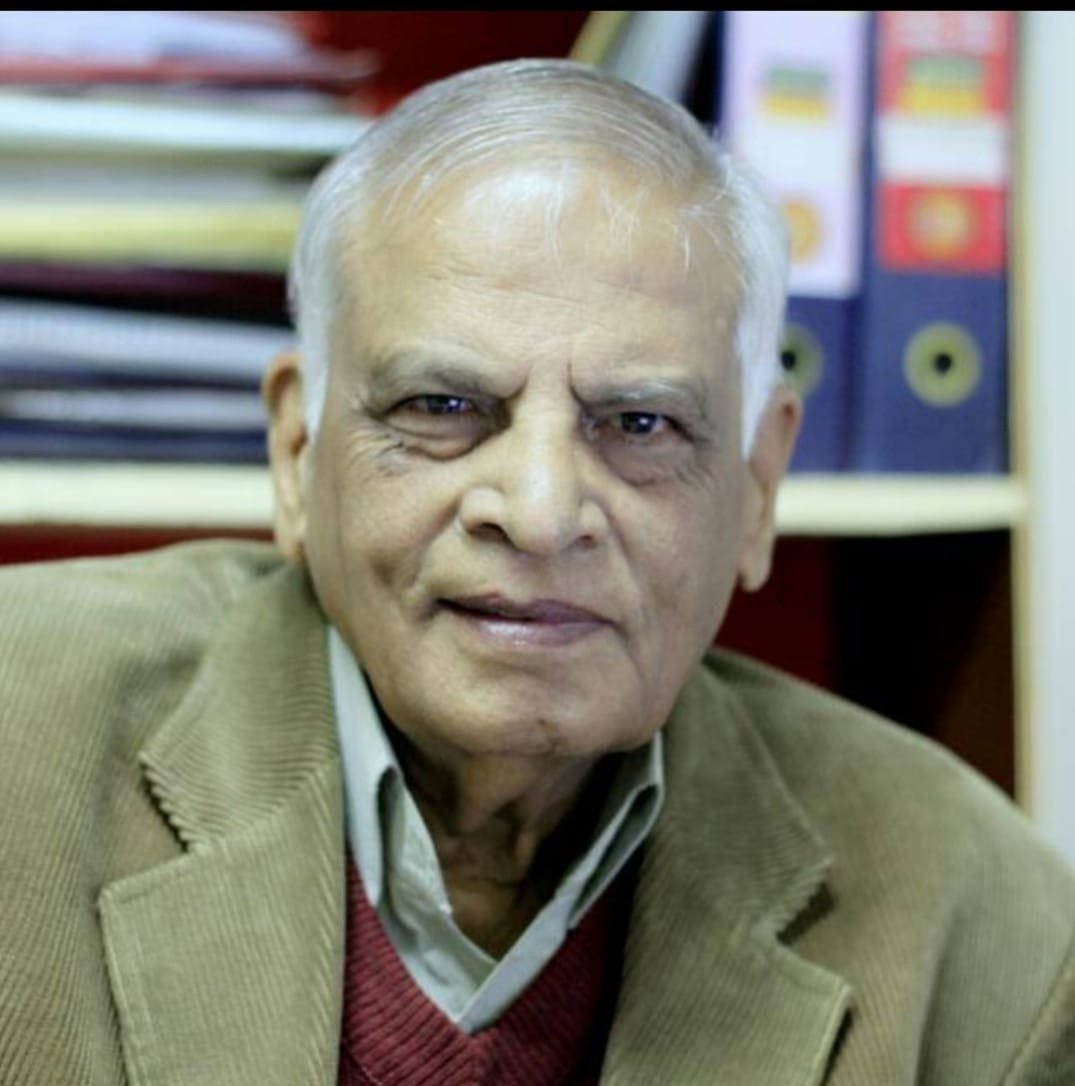
By KB Kothari
Former Senior Advisor, UNICEF (New York) and Former Faculty, IIM-Ahmedabad
A child breaking stones in a quarry is not just a distressing sight. It is a childhood being taken away. At an age when a child should be sitting in a classroom, playing with friends and thinking about what they want to become, some children in Rajasthan are spending their days working.
Across the state, children continue to be found working in quarries, brick kilns and other hazardous workplaces. In 2024-25, 3,847 child labourers were rescued in Rajasthan, reportedly the third-highest number in the country after Telangana and Bihar, according to a study by a network of more than 250 child-rights NGOs, reported by The Indian Express in June 2025. But behind every number is a child who has missed school and lost an important part of childhood.
This is where I believe schools have a very important role to play. I have spent much of my professional life working on education and child rights, including my time as an adviser to UNICEF in New York. One lesson that has stayed with me is that rescuing a child from labour is only the beginning. The real challenge is making sure that the child does not return to work and gets a genuine opportunity to learn.
For a child who has spent months or years working, coming back to school can be difficult. They may be older than their classmates, may have missed several years of education or may find it difficult to adjust to a classroom routine. We cannot expect such a child to simply walk into a classroom and immediately catch up. We have to meet the child where they are.
Schools can provide bridge courses, additional academic support and, where needed, counselling. Teachers also need to understand that a child returning from labour may need more patience and individual attention. Most importantly, the child should feel that he or she belongs in the classroom.
Schools can also play an important role in identifying children who are at risk of dropping out and entering work. A child who suddenly stops attending school, repeatedly misses classes, moves frequently with the family or disappears during particular seasons may be facing circumstances that need attention. Teachers are often the first people who notice these changes. A school should not simply mark such a child absent; it should ask why.
But schools cannot do this alone. Labour officials, police, panchayats, child protection units, NGOs and education departments need to work together. When a child is rescued, the education system should be informed quickly so that the child can be brought back into learning without delay.
We must also look at the family situation. Poverty, debt and seasonal migration often push children into work. If those pressures remain, there is always a danger that a rescued child will return to labour. Helping the family is therefore an important part of protecting the child.
Schools can also give children the confidence to speak. Children should know that they have rights, that they can ask for help and that there are adults they can trust. Child protection cannot be something separate from education. It has to be part of the school environment.
During my time at UNICEF, I saw countries make progress when strong enforcement was combined with good education and support for families. Rajasthan can learn from those experiences. Laws are necessary, rescue operations are necessary, but neither will be enough unless we make sure that every rescued child has somewhere safe to go — and a school that is ready to welcome them.
Ultimately, the question is simple: What do we want to see when we look at a child — a worker, or a student with a future?
The sound of hammers in Rajasthan’s quarries should one day be replaced by the sound of children reading in classrooms, playing on school grounds and talking about what they want to become.
Every rescued child deserves more than freedom from labour. They deserve a place in school, a chance to learn and the confidence to dream again.
No child should have to earn their childhood.