
Rajasthan schools bring technology into classrooms, but teachers remain at the centre
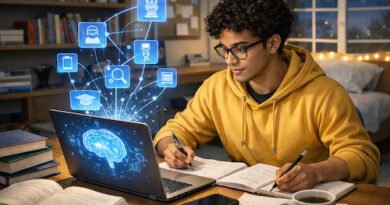
Jaipur: From smart classrooms and digital content to AI-based assessments, technology is gradually becoming part of everyday learning in Rajasthan’s schools. But in many classrooms, the focus is shifting from simply providing devices to figuring out how they can actually help children learn better.
The state has been expanding ICT facilities and smart classrooms in government schools, while digital platforms are being used to give students access to lessons, videos, question banks and other learning material.
Technology is also being used to assess learning. An AI-based competency assessment introduced in government schools this year covered students in Classes 3, 4, 6 and 7 across all 41 districts. Such tools can help teachers identify areas where students are struggling and plan additional support.
For students, digital learning can make difficult concepts easier to understand through videos, animations, interactive exercises and visual demonstrations. It can also give children in smaller towns and villages access to learning resources that may otherwise not be readily available.
But teachers say the presence of technology does not automatically improve learning. A smart board is useful only when it is integrated into the lesson, while digital content needs to match the age and learning level of children.
The bigger challenge for Rajasthan, therefore, is to ensure that teachers are comfortable using these tools and that students do not become passive consumers of digital content.
With AI and other technologies entering education, schools will also have to teach children how to verify information, use digital tools responsibly and think independently.
For Rajasthan’s classrooms, the technology story is ultimately not about replacing the blackboard with a screen. It is about using the screen when it genuinely helps a child understand something better.